My First Waitlist: What I Actually Learned
· 5 min read
A waitlist page feels like progress. It rarely is, on its own.
I built one for a SaaS side project I'd been chipping away at on weekends, and going in, I expected the number of signups to tell me something clear: worth building, or not worth building. It didn't. What it actually told me took longer to figure out, and it wasn't the number itself.
Why a Landing Page Feels Like Progress
There's a specific dopamine hit to shipping a landing page. You go from "idea in my head" to "URL a stranger can visit" in an afternoon, and that feels like real movement. It's the same feeling as pushing a first commit — concrete, visible, checkable off a list.
But a landing page is not the product, and a waitlist is not a customer base. I knew that intellectually before I built mine. I still fell for the feeling anyway, because the feeling is real even when the signal underneath it isn't.
Signups Are Not Validation
A landing page with a compelling headline will get emails. That tells you your copy works, not that anyone will pay. I wrote three different one-line pitches for what the product actually did, swapped them on the page over a few weeks, and watched the signup rate shift each time. That was useful — it told me which framing of the problem people responded to. It told me nothing about whether they'd actually use the thing, or pay for it.
The only signal that matters is what happens when you email that list and ask people to actually do something: reply to a specific question, book a fifteen-minute call, or pre-pay for early access. Almost everyone who signs up for a free waitlist will do nothing beyond signing up. That's not a failure of your product — it's just what a low-friction action tells you. An email address costs the person giving it nothing. Anything that costs them something — time, a reply, money — is where the real information starts.
I sent a short, direct follow-up two weeks after launch: one specific question about the problem the product solves, no pitch attached. The reply rate on that email was the number I should have been tracking from day one, not the total signup count.
The Landing Page I Actually Shipped
I kept the page itself deliberately plain: a single sentence describing the problem, one email field, one button. No countdown timer, no "127 people ahead of you" queue graphic, no referral mechanic asking people to share for early access. I'd read enough waitlist playbooks pushing those tactics to know they exist, and I skipped all of them on purpose — a queue-position gimmick felt dishonest for a product that didn't have urgency behind it yet.
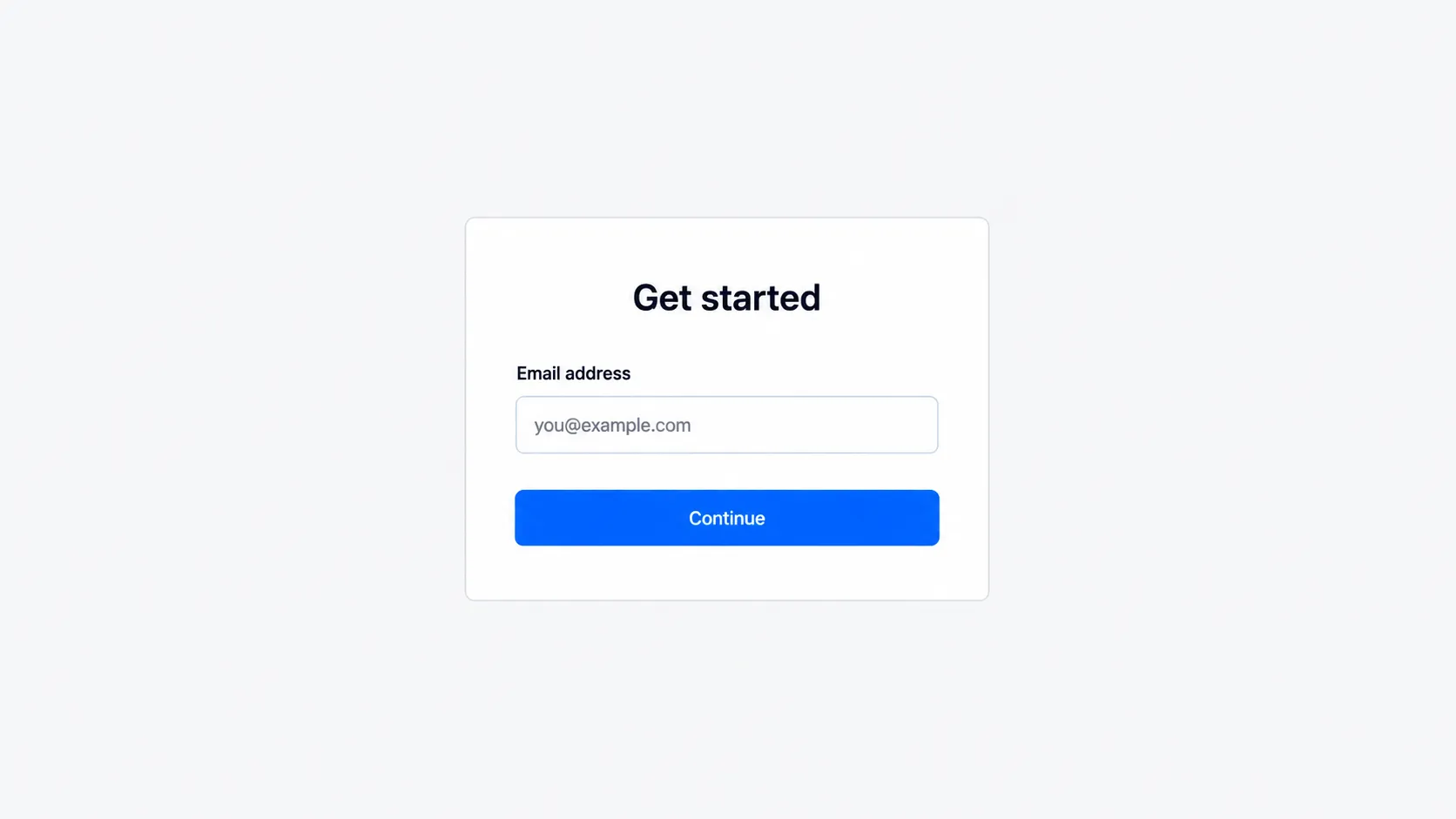
The one thing I did track, and wish I'd started tracking on day one instead of adding a week in, was where each signup came from. A signup from someone who found the page cold on Twitter tells you something different than a signup from someone who already knows your work. Lumping them into one number hides the difference that actually matters.
[SCREENSHOT NEEDED: the actual waitlist landing page as it looked when live, showing the single email field and plain layout]
What Actually Moved the Needle: Genuine Build Updates
Posting genuine build updates, including the parts that weren't working yet, did more for the waitlist than any launch-day push. A post explaining a feature that was half-broken, with an honest sentence about why it was harder than expected, consistently got more replies than a post announcing the waitlist itself.
People don't subscribe to a product they haven't seen work. They subscribe to watching someone figure it out in real time. That's a different value proposition than most waitlist advice assumes — most of it is written as if you already have an audience waiting to be converted, when for a lot of us building solo, the audience and the waitlist have to grow together, slowly, out of the same posts.
The posts that got the least engagement were the ones that just repeated "don't forget to join the waitlist." I posted that reminder twice, and the second time performed noticeably worse than the first. People respond to the work. Reminders that the work exists don't carry the same weight.
Reading a Small List Honestly
My list did not grow into the hundreds in the first few weeks. It grew slowly, mostly from people who'd seen the build-update posts, plus a smaller number of cold signups from people who'd never interacted with anything I'd made before. That's a very different shape of list than the ones held up as examples in most waitlist guides, and it took me a while to stop treating the smaller number as a verdict on the idea.
A small list, read honestly, is a signal about distribution and reach — not necessarily about whether the underlying problem is real. Those are two separate questions, and I spent longer than I should have conflating them. The more useful move was narrowing my attention to the smaller subset of people who actually replied to the follow-up email, and treating that group — not the full list — as the thing worth paying attention to.
You can read more about the tradeoffs of building without an existing audience in see more Startups & Indie Hacking posts.
The Habit Worth Keeping
Ship something small every week, write one honest paragraph about it, and share it in the same place every time. Consistency is doing more work than any individual post ever will. A single clever launch post is a moment. A weekly habit of showing real progress, including the parts that aren't working, is what actually builds trust with the small number of people who'll eventually tell you the truth about whether you're building the right thing.
If I ran this again, I'd change three things: track signup source from the first day instead of adding it a week in, ask one real question in the signup form instead of waiting two weeks to ask it by email, and stop checking the total count altogether in favor of tracking reply rate. The list size was never the useful number. It just felt like the obvious one to watch.
FAQ
Frequently asked questions
Do waitlist signups actually mean people will buy the product?
Not on their own. A signup only costs someone an email address, which is close to no cost at all, so it mainly measures whether your pitch is compelling — not whether anyone will pay or actually use what you build. The better signal comes from what happens when you ask people on the list to do something that costs them more, like replying to a specific question or booking a short call.
What actually grows a waitlist without an existing audience?
Sharing genuine build updates, including unfinished or broken parts, tends to outperform direct promotion of the waitlist itself. People engage with watching a product get built in real time more than they engage with reminders to sign up.
How should I read a small waitlist number?
Treat it as a signal about distribution and reach rather than a verdict on the idea itself. A small list can still contain a handful of people worth talking to directly — the total count matters far less than how many of those people actually respond when you follow up.
Should a waitlist landing page use scarcity tactics like queue positions or countdowns?
They're optional at best for a first waitlist, especially one without existing urgency or a hard launch date behind it. A single clear sentence about the problem and a plain email field are usually enough to test whether the pitch resonates, without adding tactics that can feel manufactured.
Written by Jenarius Ganlary
Full-stack developer and MIS & Data Analyst, building CreatorBit and freelancing through Ganlary Labs. Writing about SaaS, AI, and startups as it happens.
More about me →KEEP READING